

-
Memorial Hall60 mins
- Registration
Collect your badge and start networking with fellow participants before the Technical Course begins.
-
) Memorial Hall10 mins
Memorial Hall10 mins- Course
The opening session will establish the technical scope of the course and outline how the scientific modules and application workshops connect. Participants will be introduced to the day’s focus on processing, ingredient functionality, sensory performance, formulation, and sustainable food innovation.
)
-
Memorial Hall30 mins
- Course
Sustainability comparisons of plant- and animal-based proteins often overlook interconnected factors beyond greenhouse gas emissions. This session will examine how agronomy, genetics, processing, protein functionality, formulation, food safety, and climatic conditions shape product performance, nutritional quality, food loss and waste, and overall sustainability of plant-based protein systems.

-
Memorial Hall30 mins
- Course
This session will introduce the principles of air classification, a dry fractionation technology that provides a sustainable alternative to conventional wet protein extraction. Its advantages and limitations will be discussed, and guidance will be provided on selecting and formulating with air-classified proteins to optimize functionality, nutrition, and overall product quality.
-
Coffee BreakMemorial Hall30 mins
- Break
Continue the technical discussion with fellow participants while exchanging perspectives on processing technologies, ingredient development, and current R&D priorities.
-
Memorial Hall45 mins
- Course
This session will explore the sensory challenges limiting plant-based food acceptance. It will examine drivers of liking approaches to identify attributes to improve consumer liking. Consumer explicit and implicit perceptions of cellular agriculture and plant-based meat alternatives will also be addressed.
)
-
Memorial Hall45 mins
- Course
This session will provide an overview of key precision fermentation concepts, including examples of approved products and production hosts, as well as the use of process analytical technologies for batch modeling, monitoring, and process optimization.

-
) Lunch Break90 mins
Lunch Break90 mins- Break
Connect with other food R&D professionals and reflect on the morning’s discussions before the course moves from scientific principles to application-focused development work.
-
Travel to PURIS Headquarters30 mins
- Break
Participants will travel together from the McNamara Event Center to PURIS Minneapolis Headquarters. Transportation will be provided.
-
) Puris Headquarters225 mins
Puris Headquarters225 mins- Course
Hosted at PURIS Minneapolis Headquarters, the hands-on workshops will translate the course’s scientific content into practical formulation and application work. This R&D environment brings together ingredient development, application testing, product development, and cross-functional technical expertise.
Through guided activities led by ingredient and technology partners, participants will investigate how ingredient composition and functionality influence processing behavior, taste, texture, stability, nutritional performance, and finished-product quality. The workshops will connect ingredient selection and formulation strategy with processing constraints, target specifications, scalability, and commercially relevant product concepts.
Introduction by Puris
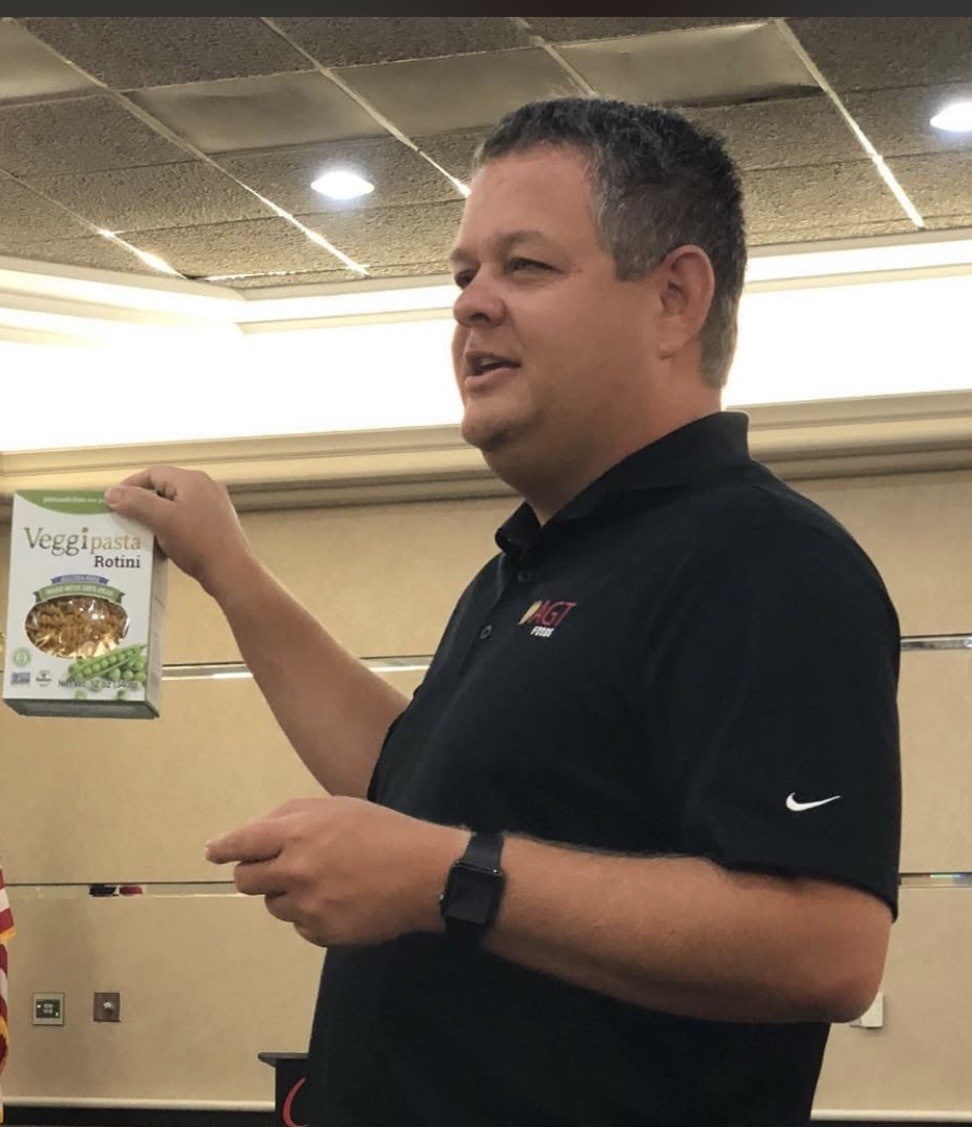
Puris is one of North America's largest pea protein producer, known for its vertically integrated supply chain spanning farming, processing, and ingredient innovation. The company is best known for supplying high-quality pea protein used in plant-based meat, dairy alternatives, and beverages, with a strong focus on functionality, taste, and sustainable domestic sourcing.
Transforming Plant Proteins with Enzymes: Functionality, Texture, and Taste - Novonesis
As consumer demand for high-protein plant-based products continues to grow, manufacturers face increasing challenges in delivering desirable texture, stability, and sensory performance. This workshop explores how enzyme technology can be used to enhance the functionality of plant proteins and address common challenges formulation limitations. Through application examples, Novonesis will showcase how targeted enzymatic solutions can improve mouthfeel, consistency, and product stability while supporting clean-label innovation. The session will highlighting practical approaches for optimizing plant-based beverages and protein-rich systems, demonstrating how biotechnology can help create products that better meet consumer expectations for quality, performance and sensory experience.
Unlocking Indulgence in Functional Foods - Ohly
Consumers increasingly expect functional products to deliver both health benefits and exceptional taste. This workshop explores how food and beverage manufacturers can develop indulgent flavour experiences for consumers focused on weight management and healthier lifestyles.
Discover consumer expectation, the approaches to overcome flavour and mouthfeel challenges in functional formulations and learn how taste modulation and flavour delivery ingredient solutions help create products that consumers love.
Experience these solutions firsthand by tasting our Lemon Berry Protein-Rich Oatmeal and Lemon & Lime Hydration Beverage Mix, showcasing how improved mouthfeel and flavour can transform functional products into truly enjoyable flavour experiences.
The Fava Waffle Lab: Formulate, Taste and Discover - Meelunie America, Inc.
Join Meelunie, a global supplier of innovative food ingredients, for an interactive formulation workshop featuring Meelunie’s fava bean protein isolate. Attendees will taste and evaluate our good source of protein waffles while exploring how this versatile plant protein can enhance nutrition and support product performance. Through hands-on evaluation and group discussion, participants will discover the benefits of fava bean protein and gain practical insights into its functionality, sensory characteristics and use in a good source of protein waffle application.
Experience the Future of Plant Protein: Taste, Texture & Consumer Perception with H2-IZO - Puris
Join PURIS for a hands-on sensory workshop exploring how next-generation protein ingredients impact taste, texture, and overall consumer acceptance. Participants will sample ready-to-mix and ready-to-drink beverages featuring PURIS H2-IZO alongside dairy and conventional plant protein systems, then take part in a guided sensory evaluation. The session will highlight how advancements in pea protein technology can improve flavor, mouthfeel, and drinking experience, providing valuable insights into the role sensory performance plays in the success of high-protein products.
Rethinking Ice Cream: Clean Label. More Fiber. Full Indulgence - SternMaid
Consumers are consistently demanding better nutrition, simpler labels and less sugar, without compromising the indulgent experience they expect from ice cream. In this interactive workshop, SternMaid Ingredients will showcase a solutions for both dairy and plant-based ice cream, combining high fiber, reduced sugar and a simple, gum-free ingredient profile with the creamy texture and satisfying experience consumers expect, while addressing the growing focus on satiety and nutrition in the GLP-1 era.
The plant-based concept will go a step further, demonstrating how a clean, neutral-tasting faba bean protein and complementary functional ingredients can help address some of the toughest formulation challenges, from protein fortification and flavor balance to cocoa optimization. Taste the applications firsthand and discover how these solutions can bring nutrition, clean label, functionality and indulgence together in the next generation of ice cream.
Almond Board of California - From Byproduct to Breakthrough: Innovative and Sustainable Food Applications of Almond Hulls
Almond hulls, traditionally considered a low-value agricultural byproduct, are emerging as a functional ingredient for sustainable food innovation. This workshop will explore the latest research on the composition, functionality, and nutritional potential of almond hulls, highlighting opportunities to upcycle this abundant resource into value-added food ingredients. Participants will learn about novel applications, product development strategies, and the role of almond hulls in advancing circular economy and sustainability goals across the food industry.
Closing & Happy Hour featuring Puris 40th Anniversary Pea Protein Vodka
)
)
)
)


)
)
-
Travel from PURIS Minneapolis Headquarters to the Welcome Reception30 mins
- Break
Following the workshops, participants will travel together from PURIS Minneapolis Headquarters to the Welcome Reception. Transportation will be provided.
-
) Welcome ReceptionUniversity Hall105 mins
Welcome ReceptionUniversity Hall105 mins- Welcome Reception
Conclude the Technical Course with an informal reception bringing together participants, course contributors, workshop partners, and members of the wider Bridge2Food community. Continue the day’s technical discussions, exchange R&D perspectives, and develop connections ahead of the main event program.
-
Registration & Light Breakfast60 mins
- Registration
Attendee registration and light breakfast.
-
) Memorial Hall10 mins
Memorial Hall10 mins- Plenary
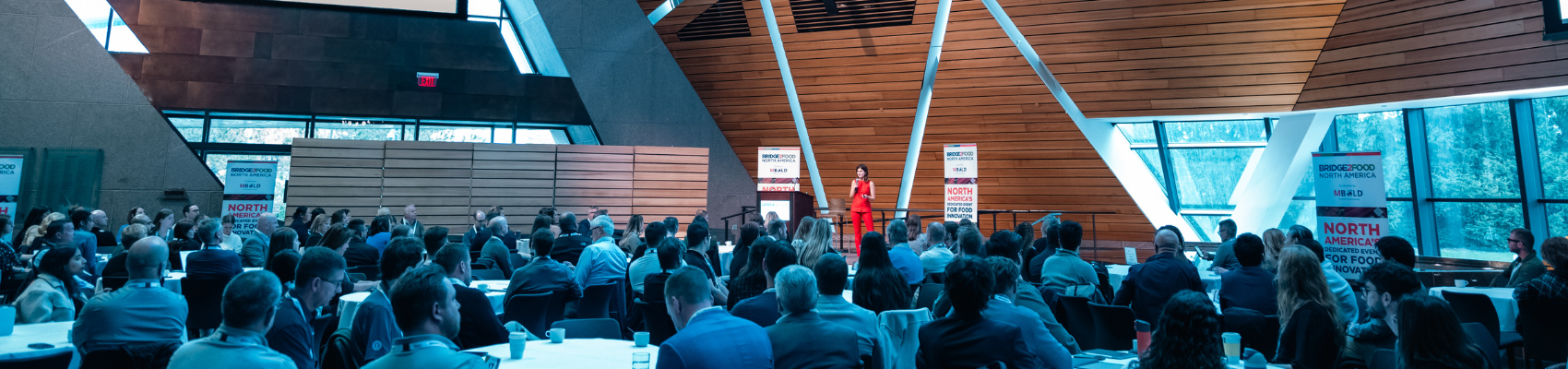
Welcome address from Bridge2Food to open the 2026 North America Summit.

-
Memorial Hall45 mins
- Plenary
This opening panel examines the defining forces shaping food innovation through 2026 and beyond. Drawing on recent market data, venture activity, regulatory signals, and consumer behavior shifts, speakers will explore where growth is accelerating and where expectations are being reset. Topics include the influence of GLP 1 drugs, affordability pressures, sustainability realism, digital commerce, and evolving health priorities. The discussion will move beyond hype to identify which technologies, categories, and business models are positioned to scale, and which face structural or trust barriers. Attendees will gain a grounded view of how macroeconomic, cultural, and policy trends are converging to reshape the global food system.

)
)
)

-
Memorial Hall25 mins
- Plenary
Explore how biosolutions such as enzymes, cultures and fermentation technologies can support innovation across food and beverage categories. This session will highlight opportunities to improve taste, texture, nutrition, shelf life, clean labels, processing efficiency and sustainability, with practical insights for R&D teams moving from laboratory trials to commercial production.
Presented by: Novonesis

-
Memorial Hall5 mins
- Plenary
Get a brief overview of the day’s three parallel tracks: Consumer & Market Insights; Product Development & Processing Innovations; and Health-Driven Innovation: From Science to Consumer Insights. Learn what each track covers and select the sessions most relevant to your business and R&D priorities.
)
)
)
-
Coffee BreakExhibit Area30 mins
- Break
Networking coffee break.
-
Thomas Swain Room25 mins
- 1. Market & Consumer Insights Track
An exploration of the consumer-relevant claims and certifications currently shaping purchase decisions, including Regenerative Organic, allergen-free, clean label, and the emerging 'Non-UPF' (Non-Ultra Processed Food) positioning. This session will discuss what these labels signal to shoppers, how they translate into product strategy, and where credibility and confusion intersect. -
Johnson Great Room25 mins
- 2. Product Development & Processing Innovations Track
Consumers worldwide are increasingly choosing plant-based foods for health, sustainability and animal-welfare reasons. They want nutrient dense products with credible health claims and shorter ingredient lists but without compromising on sensory experience. However, the inherent properties of plant-based ingredients can make these expectations difficult to meet. Biosolutions offer a promising way to selectively modify plant ingredients and improve functionality without lengthening the ingredient list. This session will highlight biosolutions that enable plant based clear protein beverages and nutrition bars with soft texture.
-
University Hall25 mins
- 3. Health-Driven Innovation Track
Consumers are increasingly seeking nutrient-dense foods with recognizable ingredients, and oats are well positioned to help meet these needs. While extraction, concentration, and reformulation have played an important role in expanding the nutritional and functional capabilities of oat ingredients, a crucial opportunity lies in improving nutritional value earlier in the value chain. By leveraging oat genetics, supply chain stewardship combined with ingredient development, the industry can take a more holistic approach to nutrition that begins with the grain and extends to the finished product.
This session will explore how advances in varietal management, identity-preserved sourcing, and whole-grain ingredient development are creating new opportunities to deliver protein, fiber, and nutrient density from seed to shelf. Drawing on emerging trends in the oat ingredient space, attendees will gain practical insights into how innovations starting from the grain-level can help brands meet growing consumer demand for simple ingredients, trusted sourcing, and more nutritious foods.

)

-
Thomas Swain Room25 mins
- 1. Market & Consumer Insights Track
Every school day, K-12 cafeterias serve more meals than any restaurant chain in America. That makes them the biggest stage there is to normalize plant-based food for kids. So why do plant-forward programs stall, even in districts eager to make the shift? This session draws on years of work in Minnesota's schools, including a partnership that made one district the first K-12 system in the nation to sign a plant-based sourcing pledge. The lesson is that supply isn't the problem. Demand is- and it must be earned on two fronts. Kids need to meet plant-based food again and again. Foodservice teams need to become champions rather than gatekeepers. And if it doesn't taste good, we lose them both. You'll hear what's worked, what hasn't and what's coming next, and leave with a model any district or state can adapt, plus real-world lessons for brands and operators. -
Johnson Great Room25 mins
- 2. Product Development & Processing Innovations Track
Upcycling and circular ingredient systems are moving from niche sustainability stories to commercial strategies. This session explores how food companies are transforming by-products into value-added ingredients while improving margins, reducing waste, and strengthening supply resilience. Speakers will share recent examples of successful upcycled ingredient integration, regulatory considerations, and challenges related to consistency, scale, and consumer perception. The conversation will also examine how circular design is evolving beyond environmental messaging to support cost efficiency, brand differentiation, and long-term resource security in a tightening global food system. By GTF. -
University Hall25 mins
- 3. Health-Driven Innovation Track
As GLP-1 adoption grows, the industry conversation is moving from "who is taking these medications?" to "how are they changing consumer behavior now?" and “what does the future hold?” This presentation will provide the latest NielsenIQ data on how GLP-1s are influencing food preferences, taste and package size selection, nutrient density demands, and purchasing patterns. The session will set the stage for an expert panel discussion on the expanding GLP-1 halo effect and its implications for the future of food, nutrition, and consumer packaged goods.

)
-
Thomas Swain Room25 mins
- 1. Market & Consumer Insights Track
Retail accounts for a majority of US meat consumption, yet sustainable innovations like plant-based meat have seen declining sales for the past three years, underscoring the need for approaches that work within consumers’ existing meat habits. Balanced proteins—which combine familiar animal products with complementary ingredients to improve attributes like taste, price, nutrition, and sustainability—are gaining momentum in European private label, where nearly 15 years of launches have produced both successes and important lessons. This session will unpack what European retailers have learned, share product insights from NECTAR’s sensory and formulation work, and explore how high beef prices, private-label growth, and demand for differentiation could create a new opportunity for US retailers exploring this re-emerging category.
-
Johnson Great Room25 mins
- 2. Product Development & Processing Innovations Track
As consumer demand for high-protein products continues to grow, expectations are evolving beyond nutrition to include cleaner labels, recognizable ingredients, and greater transparency. This session explores the strategies, technologies, and formulation approaches enabling the next generation of high-protein foods and beverages to deliver on taste, texture, nutrition, and functionality while minimizing ingredient complexity. Drawing on real-world product development and commercialization experience, attendees will gain insights into overcoming formulation challenges, selecting clean-label ingredients, and balancing consumer expectations with manufacturing and scalability requirements. The session will highlight emerging opportunities for innovation and the future of plant protein-rich products designed to meet both performance and clean-label demands.
-
University Hall25 mins
- 3. Health-Driven Innovation Track
GLP-1 therapies are reshaping eating behaviors, reducing appetite and calorie intake while raising expectations for foods that deliver more nutrition with same or less calories. This panel examines how nutrient density is being redefined in the age of the GLP-1 and the halo effect it creates, where certain ingredients, claims, and product formats benefit from heightened perceptions of health and functionality. Panelists will discuss formulation strategies that support satiety and micro/macronutrient adequacy, the marketing and communication challenges of emerging health halos, and the strategy considerations brands are facing. The session offers practical insights for navigating responsible innovation in a rapidly evolving nutrition landscape.
)
)
)
)


-
) Networking LunchExhibit Area90 mins
Networking LunchExhibit Area90 mins- Break
- Networking Opportunities
Enjoy a relaxed lunch while connecting with fellow food industry professionals. Exchange ideas from the morning sessions, discuss R&D challenges, discover shared interests and build valuable relationships with peers, speakers and potential partners from across the food and beverage innovation community.
-
Thomas Swain Room25 mins
- 1. Market & Consumer Insights Track
Foodservice remains one of the most powerful channels for introducing new ingredients and formats. This session explores how chefs, operators, and foodservice brands influence normalization and adoption long before products reach retail shelves. Speakers will discuss menu innovation, culinary credibility, operational constraints, and the role of foodservice as a testing ground for alternative proteins, new flavors and formats, and functional foods. Attendees will gain insight into how collaboration between brands and foodservice partners can accelerate learning, reduce risk, and build consumer familiarity at scale. -
Johnson Great Room25 mins
- 2. Product Development & Processing Innovations Track
This presentation highlights ProBoost™ Neutra, Amano Enzyme's latest enzyme technology within our Plants Unlimited™ platform, designed to improve the performance of pea-based ingredients. We'll examine how this targeted enzymatic solution supports cleaner pea processing while addressing key formulation challenges in pea protein applications across sports nutrition, beverages, and other plant-based categories. Beyond extraction, the session will explore how enzyme technology can extract additional value from pea ingredient streams, supporting novel product concepts and the next generation of plant-based innovation. -
University Hall25 mins
- 3. Health-Driven Innovation Track
Indulgence is no longer about excess, but about satisfaction that aligns with modern wellness values. This session explores how brands are designing products that deliver craveable taste and texture while supporting health goals such as balance, portion awareness, and ingredient transparency. Speakers will examine how sensory experience, emotional reward, and mindful positioning drive repeat purchase, even in better for you categories. The discussion will highlight how indulgence has become a strategic lever rather than a guilty secret, and how brands can create moments of pleasure that feel both permissible and intentional in today’s value conscious market.
)
)
)
)
)
-
Thomas Swain Room25 mins
- 1. Market & Consumer Insights Track
RTDs are one of the fastest-growing categories in BevAlc, with low-calorie variants representing a major white-space opportunity, and also the category's highest reformulation risk. Standard testing protocols, which capture liking and sensory attributes at first sip, consistently suggested near-parity between full-calorie and low-calorie RTD variants. Open-ended verbatims told a different story, hinting at aftertaste and finish issues that standard quant wasn't catching.
To close that gap, MMR leveraged its Product Hub platform to redesign the testing approach around a leading spirits-based RTD case study, measuring the same sensory and liking KPIs (sweetness, bitterness, carbonation, mouthfeel, aftertaste, and overall liking/purchase intent) at three points within a single serving: first sip, mid-drink, and finish.
The results reveal a consistent pattern across low-cal RTDs. Liking converges at first sip but diverges sharply by the finish, driven primarily by aftertaste intensity that builds over the course of the drink. A test stopped at sip one would have signaled parity. The full arc revealed a materially different, and commercially risky, story.
This session outlines the methodology behind multi-moment sensory testing and its implications for reformulation strategy: optimizing for the finish rather than the open, measuring the right attributes at the right moment, and using connected data platforms to speed iteration, turning a hidden risk into an actionable formulation roadmap.
-
Johnson Great Room25 mins
- 2. Product Development & Processing Innovations Track
As consumer demand for higher-protein foods and beverages continues to grow, food manufacturers are increasingly incorporating larger amounts of plant protein into their formulations. While this creates opportunities for more nutritious and protein-rich products, it also introduces new technical and food-safety challenges that require careful consideration.
This presentation explores the food-safety considerations associated with high-protein plant-based beverages, drawing on real-world learnings from the development and manufacture of pea-protein milks. A particular focus will be placed on Bacillus cereus—a microorganism that can present unique challenges in plant-protein systems—and why traditional approaches to managing this microbial risk may not always be sufficient as protein levels increase.
-
University Hall25 mins
- 3. Health-Driven Innovation Track
Fermentation is taking off - not only as a process technology across multiple applications, but also in society and culture as more consumers recognize the benefits of fermented foods for gut health and more!
This session will introduce a novel fermented food category - a chickpea-based product anchored in consumer insights and enabled by an innovative manufacturing process - with the end outcome of delivering a compelling, on-trend product that delivers on gut health, protein, and fiber, while also supporting healthy metabolism, weight management, and nutrient absorption.

)
-
Thomas Swain Room25 mins
- 1. Market & Consumer Insights Track
Regional food system investment concentrates heavily upstream, on production and harvest. Louisiana illustrates what gets overlooked further along, the midstream layer of high-value, high-functionality ingredients that turns raw agricultural resources into commercial applications. Local entrepreneurs already build culturally rooted finished products, while the ingredients underneath them remain largely undeveloped. This session examines that post-harvest gap as a regional innovation opportunity. Attendees leave with a clearer view of where the next wave of regional food innovation is likely to emerge, and what it takes to engage an emerging region while its infrastructure is still forming. -
Johnson Great Room25 mins
- 2. Product Development & Processing Innovations Track
Did you know your drying method can materially change how a plant-protein ingredient performs downstream? Learn how processing choices affect stability, functionality, and shelf life in this session with Jerad Ducklow of Parker Freeze Dry. This session will explore where freeze-drying may offer an advantage over thermal methods and give processors a practical framework for deciding when it belongs in their shelf-life and process strategy. -
University Hall25 mins
- 3. Health-Driven Innovation Track
Protein remains a central driver of food and beverage innovation, but the conversation is evolving. No longer defined solely by grams on the front of pack, protein is increasingly evaluated through the lens of quality, source, functionality, and overall health impact. As consumers become more informed, protein is shifting from a point of differentiation to a baseline expectation. This panel will explore how brands can move beyond “high protein” claims to create meaningful value through formulation, ingredient storytelling, and targeted benefits such as satiety, metabolic health, and active nutrition. Industry leaders will discuss how to stand out in an increasingly saturated protein market.
)
)
)
-
Coffee BreakExhibit Area30 mins
- Break
Networking coffee break
-
Johnson Great Room60 mins
- Plenary
Through our Protein Catalyst initiative, the MBOLD coalition is conducting and then sharing pre-competitive, industry-oriented research to help fuel understanding and utilization of oats, dry beans and chickpeas as protein ingredients. This session will present the Protein Catalyst Phase 1 research into processing optimization, cost dynamics, opportunities to valorize side streams and other key factors across our three priority botanicals:
- Oat: Valorization Of Oat Milk Okara And Dry Fractionation
- Dry Bean: New Insights Into Navy And Pinto As Protein And Fiber Ingredients
- Chickpea: What Becomes Possible With Improved Genetics
)
)
)
-
Nicollet Island Pavilion240 mins
- Summit Dinner
- Start-Up Pitch Slam
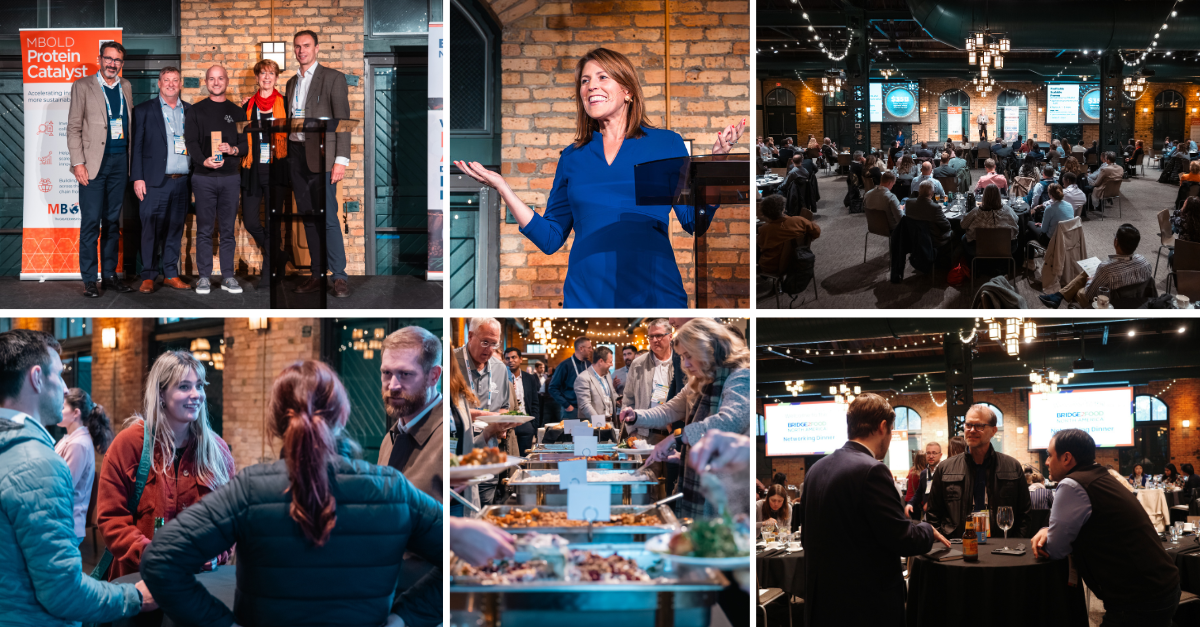
Join industry peers for an engaging evening of innovation, dining and conversation at the Protein Innovation Pitch Slam, powered by MBOLD and Protein Industries Canada. Watch emerging companies present their ideas and solutions to a panel of judges, then help select the audience favorite by casting your vote. Following the pitches, the judges will discuss the entries and announce their chosen winner.
The experience takes place during an all-inclusive networking dinner, with drinks and a full-course meal provided. It is an excellent opportunity to discover new technologies, connect with entrepreneurs and build relationships with fellow food industry professionals in a relaxed setting.




)
)

)
)
)
)
)
)
)
-
Thomas Swain Room25 mins
- 1. Market & Consumer Insights Track
Consumers want more fiber without giving up clean label, low cost, or the taste and texture they already expect. That's the reformulation challenge behind every fiber project. Drawing on a decade of reformulations across many applications and brands, this session shares what separates clean-label fiber wins from the ones that stalled, and a framework for turning demand into products that sell. -
Johnson Great Room25 mins
- 2. Product Development & Processing Innovations Track
Dairy alternatives are evolving beyond early generation products. This panel explores advances in fermentation, protein systems, and processing that aim to improve creaminess, stretch, and overall performance. Speakers will discuss consumer expectations, formulation breakthroughs, and category specific challenges. The conversation will focus on where dairy alternatives can win and where realism is required. -
University Hall25 mins
- 3. Health-Driven Innovation Track
Protein demand is surging, but consumers are stuck in a "protein predicament": they know they want more, yet remain confused about how much they need and what "complete," "high quality," or "healthy" really mean.
Mattson dug into this gap through a mix of nutrition science, consumer research, market analysis, and AI-enabled tools, focusing on high-need groups like GLP-1 users, peri/post-menopausal women, healthspan-focused older adults, and performance-driven consumers. Across all of them, protein reads as essential, supporting satiety, strength, and energy, but confusion persists around ultra-processing, isolates, plant vs. animal sources, and how to trust protein claims.
This session translates those findings into practical takeaways: where protein innovation is over-serving consumers, where it's falling short, and where the real white space is for products that are nutritionally relevant, consumer-resonant, and commercially viable.
)
)
-
Thomas Swain Room25 mins
- 1. Market & Consumer Insights Track
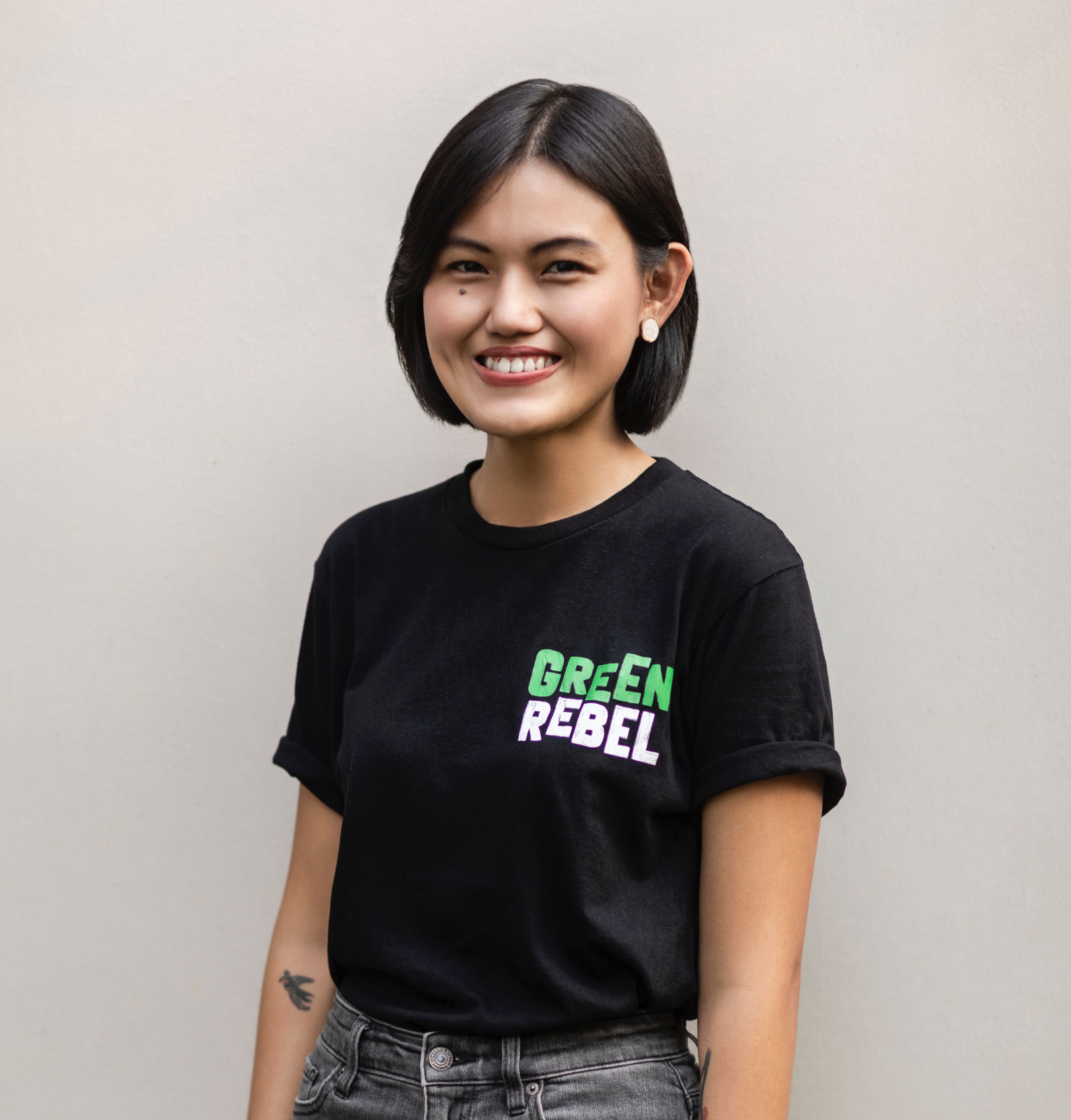
Green Rebel Foods is reimagining Indonesia's culinary heritage for a new generation of consumers, transforming beloved traditional dishes into accessible, plant-based staples. In this session, co-founder and CEO Helga Angelina shares how the company has grown from a single market to serving over 2,000 foodservice outlets and 300 retailers across Indonesia, Singapore, the Philippines, and Malaysia. She'll explore Green Rebel's hybrid protein approach, blending mushroom and soy-based ingredients to balance nutrition, taste, and cost, and discuss how affordability and cultural relevance, not novelty alone, have been the true drivers of adoption across Southeast Asia's diverse food markets. -
Johnson Great Room25 mins
- 2. Product Development & Processing Innovations Track
This presentation will introduce LDC to the audience, then highlight the need for meeting consumer demand for higher quality plant proteins with some published data. Presentation will address LDC’s approach to developing excellent quality plant proteins via sustainable development to food and beverage industry to provide for daily protein requirement for current global human population and 10 billion by 2050. This presentation will further follow-up on LDC’s strategic growth intent and mission to develop best in class plant proteins and its success to bringing excellent quality new LDC plant proteins to the market by process innovations, scaling-up, and by building its plant proteins manufacturing plant to deliver the same to its customers and consumers. -
University Hall25 mins
- 3. Health-Driven Innovation Track
Recent advances in producing various fibers utilizing validation platforms can be leveraged to produce value-added and sustainable dietary fibers across the plant based industry. This session will explore the research that led to the development of a highly soluble, short-chain oat fiber that disappears into food and drink with no taste or texture penalty, backed by clinical data showing improved glucose metabolism and gut health. It will then provide an overview of the largest fiber structure-function database, mapping how each fiber's structure modulates health through the microbiome.
)

-
Thomas Swain Room25 mins
- 1. Market & Consumer Insights Track
Once a niche sustainability concept, upcycled foods are rapidly entering the mainstream as consumers seek products that align with environmental values without compromising taste or quality. Rising demand, retail expansion, and broader category adoption from snacks and beverages to pet food and indulgent products are being fueled by stronger storytelling, certification, and transparency. This session will explore how consumer perception is evolving, what truly drives purchase beyond sustainability claims, and how brands can effectively communicate value. The discussion will also examine how upcycling is transitioning from a waste-reduction narrative to a scalable, consumer-led growth opportunity.In collaboration with the Upcycled Food Association -
Johnson Great Room25 mins
- 2. Product Development & Processing Innovations Track
As fermentation titers climb and engineered strains mature into high-yield cellular factories, the real bottleneck to commercialization has shifted downstream. Drawing on stories and data from GEA's global Test Center Network — where our experts work daily on these and parallel industry challenges — this session unpacks how separation, concentration, purification, and drying decisions determine cost, scalability, and time-to-market. Combining these real-world stories illustrates how an integrated, end-to-end process view — not just a bigger fermenter — is what actually de-risks scale-up. -
University Hall25 mins
- 3. Health-Driven Innovation Track
The biggest story of the past few years - GLP-1 drugs - has food and drink brands scrambling to adapt. And while brands must consider reactive strategies, for many, dramatic shifts may not be required. GLP-1 user behaviors don't look terribly different from the general nutrition and consumption trends that were already unfolding. If anything, GLP-1's could be the accelerant, or the catalyst, to trial and loyalty with the right messaging.
)
)

)
)
-
Coffee BreakExhibit Area30 mins
- 3. Health-Driven Innovation Track
Networking coffee break
-
Thomas Swain Room25 mins
- 1. Market & Consumer Insights Track
What happens when plant-based becomes the default and meat becomes the opt-in? Across hospitals, stadiums, schools, and corporate dining, choice architecture is quietly reshaping how millions of Americans eat - without restricting freedom of choice. This session explores how institutional foodservice operators can use plant-based defaults, balanced protein options, and plant-forward menu design to meet carbon goals, lower food costs, and improve inclusivity. Drawing on real-world results from healthcare systems, universities, and corporate cafeterias, the conversation examines what works, what scales, and where the next frontier of demand-side transformation is heading. Particular emphasis will be given to the implementation of such strategies and a tool kit for CPGs and food service operators will be shared.
-
Johnson Great Room25 mins
- 2. Product Development & Processing Innovations Track
The food and beverage industry faces mounting pressure to innovate faster, but most organizations are trying to do it with fragmented workflows. R&D works in spreadsheets, PLM data lives in disconnected systems, and quality teams manually reconcile specifications at the end of the line. The result is duplicated effort, avoidable reformulation cycles, and delayed launches.
In this session, Uncountable examines what product development looks like when R&D, PLM, and Quality operate on shared data infrastructure, and how centralizing formulation, lifecycle, and quality data eliminates the handoff failures that slow teams down. Attendees will leave with a practical framework to diagnose fragmentation and evaluate an end-to-end informatics platform.
-
University Hall25 mins
- 3. Health-Driven Innovation Track
The food industry faces a widening squeeze: feeding a growing population while cutting emissions, deforestation, and pressure on land and water. Microalgae are one of nature's most efficient sources of protein and nutrition, yet for decades their promise has been held back by contamination risk, off-taste, and the significant CAPEX linked to conventional closed systems.
Arborea changes this. Our groundbreaking, patented BioSolar™ Leaf technology converts waste CO₂ from any industry and sunlight into microalgae biomass on non-fertile land, with no deforestation and no loss of biodiversity. Fully contained and highly controlled, it scales without expensive fermentation tanks, raceway ponds, or pressurised gases, and with no contamination risk, producing net-zero food and feed ingredients.
The result is a portfolio built for the mass market. NOvo Protein™ is a neutral-tasting, neutral-colour, water-soluble protein with a complete amino acid profile and emulsifying and gelling functionality. BioSolar™ Spirulina is a premium whole-biomass superfood of unmatched purity, consistency, and clean taste.
Both ingredients are ready to formulate today, and we are already proving it across a range of food and beverage concepts developed in our food lab and available at our booth. Join us to see what microalgae can finally deliver.
)

)
-
Thomas Swain Room25 mins
- 1. Market & Consumer Insights Track
While first-generation precision nutrition platforms successfully leverage artificial intelligence to analyze individual consumer biometric data, a critical operational execution gap remains within the broader agribusiness value chain. Traditional agricultural processing and Direct-to-Consumer (DTC) marketing models remain optimized for economies of scale and broad, standardized distribution. Consequently, they fail to capture the high-margin premiums offered by two critical consumer extremes demanding real-time, personalized nutrient profiles: data-literate Gen Z/Alpha demographics optimizing physical performance, and an expanding aging population managing age-related muscle decline (sarcopenia) alongside complex, pre-existing health conditions.
Building upon the functional marketing and benchmarking methodologies utilized by traditional high-touch protein firms, this presentation establishes an agribusiness framework for executing advanced consumer micro-segmentation. We analyze the consumer economics, operational feasibility, and institutional standardization of interfacing AI-driven personal nutrition targets (ingested via fitness wearables or healthcare monitoring systems) directly with modular, short-run agricultural processing and automated packaging lines. By shifting from broad-spectrum distribution to hyper-individualized, micro-batch fulfillment, agribusiness firms can eliminate consumer meal-preparation friction, ensure strict nutritional standardization for medical and senior-living environments, and capture unprecedented value-added premiums at the retail and institutional interface.
-
Johnson Great Room25 mins
- 2. Product Development & Processing Innovations Track
Sustainable protein development can be viewed as an optimization problem over formulations or bioprocess conditions, incorporating diverse considerations such as taste, affordability, nutrition, and climate impact. We present a framework called expert-guided Bayesian optimization (EGBO) for solving the optimization problems that arise in the sustainable protein domain. I will discuss our initial results applying EGBO to plant-based dairy optimization. I will also briefly discuss our work on predicting sensory properties of sustainable proteins. -
University Hall25 mins
- 3. Health-Driven Innovation Track
Despite growing awareness of gut health and metabolic wellness, most consumers still fall significantly short of recommended fiber intake. At the same time, fiber’s expanding role is now beyond digestion, including satiety, vitality, signaling, blood sugar management, and long-term health outcomes. This session will explore how brands are translating this clear nutritional gap into compelling consumer propositions. Industry leaders will discuss what is driving renewed interest in fiber, which product formats and claims resonate most, and how to balance functionality with taste and accessibility. The discussion will highlight how fiber is evolving from a niche health message into a mainstream driver of product innovation and demand.
)

)
)
-
Thomas Swain Room25 mins
- 1. Market & Consumer Insights Track
The debate around ultra-processed foods (UPFs) is reshaping consumer perception and policy discussions in the US and around the world. This session explores how clean label claims intersect with processing realities, nutrition science, and consumer understanding. Speakers will unpack where science aligns or conflicts with perception and how brands can communicate responsibly. The discussion will address regulatory scrutiny, agreed-upon definitions of UPFs, and the risk of oversimplified narratives.
-
Johnson Great Room25 mins
- 2. Product Development & Processing Innovations Track
The honest truth is that taste and texture remain the number one reason consumers don't come back - and this session is designed to have that conversation head-on. We're bringing together R&D leaders to dig into what's still hard: replicating the bite, juiciness, and mouthfeel of animal proteins; managing texture degradation over shelf life; and closing the sensory gap between what performs in the lab and what lands with consumers at home. Rather than showcasing wins, we want a candid, technically rich conversation about where the real challenges still sit and how the industry's best are tackling them.


-
) Networking LunchExhibit Area60 minsClosing networking lunch
Networking LunchExhibit Area60 minsClosing networking lunch